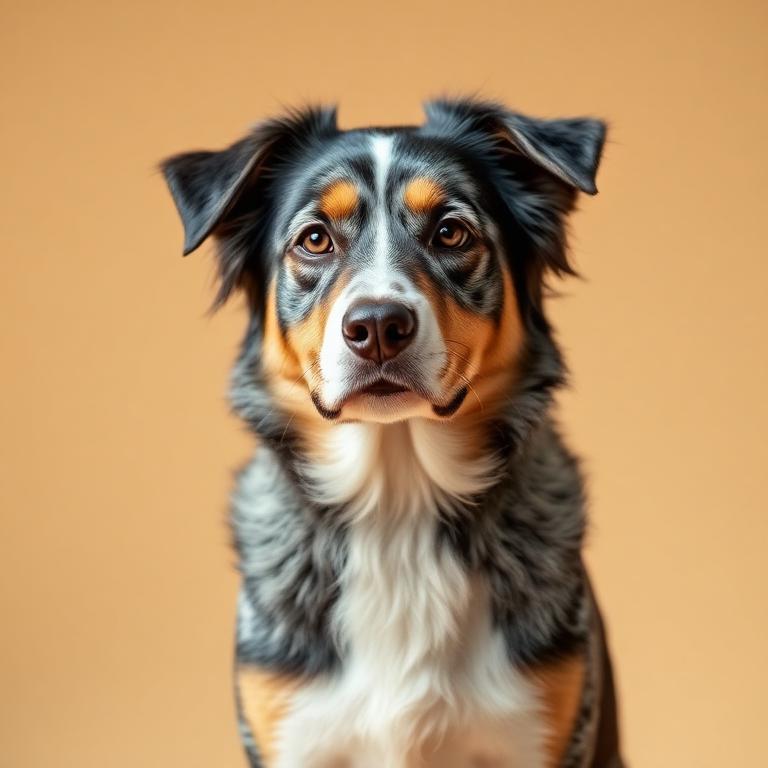
Medium breed

Australian Shepherd

Also known as Aussie

Smart, driven herding dog that needs a job.

Australian Shepherd portrait

Overview

Aussies are exceptional partners for active people and a poor fit for quiet households. Their intelligence needs an outlet or it becomes herding, nipping and barking.

Personality and temperament

Focused, watchful with strangers and intensely bonded to their person.

Exercise needs

90+ minutes a day plus daily mental work.

Grooming and care

Brush twice weekly, train daily, and build structured rest as well as activity.

Before you commit

High drive, sensitivity to chaos, and a strong tendency to herd children or other pets without training.

Climate and environment

Double coat suits cool climates; needs shade and water when warm.

History

Developed in the western United States as a ranch herding dog.

Common questions

DogHQ Picks

Best products for a Australian Shepherd

Chosen from the same size, coat, energy and grooming attributes shown on this page — so you can see exactly why each one is here.

Affiliate disclosure: DogHQ Life may earn a commission from qualifying purchases made through links on this page. No affiliate partnerships are live yet, so the products shown here are clearly labelled samples. Read our full disclosure.

Harnesses & LeashesBest harness

Y-front padded harness

A shoulder-free Y shape that leaves the front legs moving naturally, with front and back clips so you can steer a puller without pressure on the throat.

Keeps the shoulders free on the longer walks a Australian Shepherd usually needs.

Best for: Everyday walks and dogs learning loose-lead walking

  • Two attachment points
  • Padded chest strap
  • Four adjustment points for a real fit

Measure girth behind the front legs; sizing charts vary a lot between makers.

Shop Recommendation
Dog BedsBest bed

Elevated cooling cot

A raised mesh cot that lets air move underneath, keeping heavy-coated dogs comfortable in warm rooms and on summer trips.

A heavier coat means airflow matters more than plush padding.

Best for: Double-coated breeds and hot climates

  • Airflow mesh sleeping surface
  • Rinses clean outdoors
  • Folds flat for travel

Some dogs prefer soft bedding — add a thin blanket in cooler months.

Shop Recommendation
Toys & EnrichmentBest toy

Durable fetch ball

A bouncy, high-visibility ball built for repeated retrieves without splitting after a week of daily fetch.

High-drive dogs need a real physical outlet, not just a chew.

Best for: Retrievers, herding breeds and daily fetch

  • Natural rubber construction
  • Floats on water
  • Bright colour for grass and dusk

Choose a size your dog cannot fit fully behind their back teeth.

Shop Recommendation
GroomingBest grooming tool

Undercoat rake

Reaches through the topcoat to pull dead undercoat out during a seasonal blow, cutting the hair on your floor dramatically.

Raking the dead undercoat out is what actually reduces shedding.

Best for: Double-coated breeds in shedding season

  • Rounded tooth tips
  • Two row depths for topcoat and undercoat
  • Works dry or after a bath

Never shave a double coat — rake it instead.

Shop Recommendation
Feeding ProductsBest feeder

Stainless steel bowl set

Non-porous, dishwasher-safe and easy to keep genuinely clean, which plastic bowls rarely manage over time.

Simple, stable and genuinely easy to keep clean.

  • Dishwasher safe
  • Rubber base ring to stop sliding
  • Does not hold odours

Wash food bowls daily and water bowls just as often.

Shop Recommendation
Natural TreatsBest natural treat

Freeze-dried single-protein bites

One ingredient, high value and tiny — the reward that keeps a dog working when there are distractions around.

Training needs a high-value reward that holds attention outdoors.

Best for: Recall and distraction training

  • One named protein on the label
  • Breaks into smaller pieces easily
  • No added sugars or dyes

Rich for sensitive stomachs — introduce a few pieces at a time.

Shop Recommendation
Browse all DogHQ Picks

This information is general and educational. It is not veterinary advice and cannot diagnose, treat or prevent disease. Speak to a licensed veterinarian about your dog's health.

Similar-sized breeds