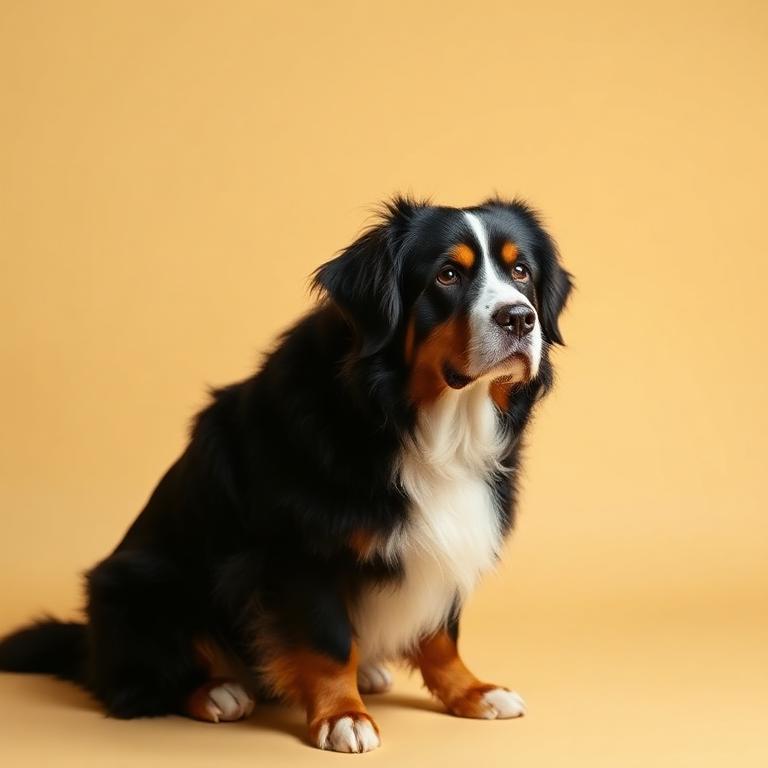
Giant breed

Bernese Mountain Dog

Also known as Berner

Calm, gentle giant with strong family attachment.

Bernese Mountain Dog portrait

Overview

Berners are affectionate and steady, but their size, shedding and shorter average lifespan are important to weigh up honestly.

Personality and temperament

Sweet-natured, somewhat reserved with strangers, deeply loyal at home.

Exercise needs

45–60 minutes a day of moderate activity, avoiding heat.

Grooming and care

Frequent brushing, joint-friendly exercise while growing, and cool living conditions.

Before you commit

Large-breed costs, heavy shedding and a shorter lifespan than most breeds.

Climate and environment

Built for cold; heat is a real limitation for this breed.

History

Farm dog of the Swiss Alps used for droving and cart pulling.

Common questions

DogHQ Picks

Best products for a Bernese Mountain Dog

Chosen from the same size, coat, energy and grooming attributes shown on this page — so you can see exactly why each one is here.

Affiliate disclosure: DogHQ Life may earn a commission from qualifying purchases made through links on this page. No affiliate partnerships are live yet, so the products shown here are clearly labelled samples. Read our full disclosure.

Harnesses & LeashesBest harness

Y-front padded harness

A shoulder-free Y shape that leaves the front legs moving naturally, with front and back clips so you can steer a puller without pressure on the throat.

Keeps the shoulders free on the longer walks a Bernese Mountain Dog usually needs.

Best for: Everyday walks and dogs learning loose-lead walking

  • Two attachment points
  • Padded chest strap
  • Four adjustment points for a real fit

Measure girth behind the front legs; sizing charts vary a lot between makers.

Shop Recommendation
Dog BedsBest bed

Elevated cooling cot

A raised mesh cot that lets air move underneath, keeping heavy-coated dogs comfortable in warm rooms and on summer trips.

A heavier coat means airflow matters more than plush padding.

Best for: Double-coated breeds and hot climates

  • Airflow mesh sleeping surface
  • Rinses clean outdoors
  • Folds flat for travel

Some dogs prefer soft bedding — add a thin blanket in cooler months.

Shop Recommendation
Toys & EnrichmentBest toy

Stuffable rubber food toy

Turns a meal into twenty minutes of licking and problem-solving, which is one of the most reliable ways to settle a busy dog.

A food toy covers chewing and problem-solving in one.

Best for: Crate training, alone-time practice and rainy days

  • Freezer-safe for a longer session
  • Dishwasher top rack
  • Sized by chew strength

Count the stuffing as part of the day's food, not an extra.

Shop Recommendation
GroomingBest grooming tool

Undercoat rake

Reaches through the topcoat to pull dead undercoat out during a seasonal blow, cutting the hair on your floor dramatically.

Raking the dead undercoat out is what actually reduces shedding.

Best for: Double-coated breeds in shedding season

  • Rounded tooth tips
  • Two row depths for topcoat and undercoat
  • Works dry or after a bath

Never shave a double coat — rake it instead.

Shop Recommendation
Feeding ProductsBest feeder

Slow feeder bowl

Moulded ridges turn a thirty-second inhale into a several-minute meal, which helps with gulping and post-meal discomfort.

Bigger dogs tend to eat faster, and slowing that down helps.

Best for: Fast eaters

  • Maze pattern
  • Non-slip base
  • Top-rack dishwasher safe

If your dog is a deep-chested breed, talk to your vet about bloat risk and feeding routine.

Shop Recommendation
Natural TreatsBest natural treat

Long-lasting natural chew

A dense, slow chew that gives a dog twenty focused minutes of work — useful for settling in the evening or during calls.

A slow chew gives a calm outlet in the evening.

Best for: Dogs who need a calm chewing outlet

  • Single animal-source ingredient
  • Sized by chewer strength
  • No rawhide

Always supervise and take the chew away once it gets small enough to swallow.

Shop Recommendation
Browse all DogHQ Picks

This information is general and educational. It is not veterinary advice and cannot diagnose, treat or prevent disease. Speak to a licensed veterinarian about your dog's health.